

Warm, soft, and with a luxurious, natural look: for many people, knitting and crocheting with wool is a true pleasure. But what if your skin is sensitive to wool? For some people, wearing woolen clothing or working with wool can cause allergic reactions or irritation. If you’re one of those people who can’t tolerate wool, don’t despair! In this blog, we’ll share some helpful tips and alternatives! Keep reading…
Why might your skin react to wool?
Wool is a natural fiber that comes from sheep and other animals. It may contain lanolin, a waxy substance that occurs naturally in wool and can cause allergic reactions in some people. In addition, the coarse fibers in wool can also cause skin irritation, especially in people with sensitive skin. You can read more about this in this blog post.
Tips for Sensitive Skin
-
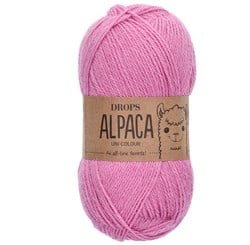
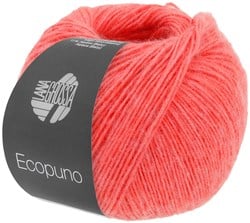
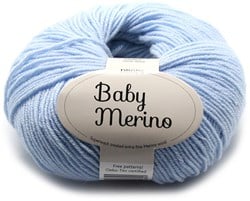
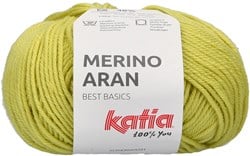
Choose softer types of wool: Not all wool is the same. Some types of wool, such as Merino Wool and alpaca wool, are softer and less likely to cause irritation than others, such as sheep’s wool. Try out different types of wool to see which one works best for your skin. Below are a few Merino Wool and alpaca yarns you might want to try:
- Wear a liner: If you're wearing a wool garment, such as a sweater or scarf, you can wear a liner or an extra layer—like a shirt—between the wool and your skin. Choose natural materials like cotton or silk to minimize skin irritation.
- Wash your wool items with a splash of vinegar: Washing your garment on the wool cycle with a splash of vinegar will soften the fibers. This can help remove any remaining lanolin or other irritants.
- Use alternative yarns: If wool really doesn't work for you, there are plenty of alternative yarns available that are suitable for people with sensitive skin. Consider, for example, cotton, Bamboo, Silk, Acrylic, and nylon. These yarns are softer and less likely to cause irritation.


Alternatives to wool yarn
Are you still unfortunately bothered by itchiness or allergies caused by wool? Fortunately, there are some excellent alternative yarns available these days. Some yarns even have the same luxurious look and feel as wool. See below for the types of yarn we recommend.
Acrylic yarn as an alternative to wool
By far the most popular alternative to wool is acrylic yarn. Acrylic is a synthetic alternative to wool that’s often used for its softness, sustainability, and affordability. Just like with wool, acrylic yarn produces a supple finished result. That’s why our selection includes an extensive collection of acrylic yarns from major brands, including Stylecraft, BudgetYarn, Yarn and Colors, and Durable. Check out our favorites below!


Cotton Yarns as an Alternative to Wool
Cotton is a soft and breathable fabric that’s perfect for making light and airy garments such as summer tops and baby blankets. Compared to wool, cotton yarn is somewhat heavier and slightly less supple. That’s why cotton is often combined with Acrylic, Polyamide, or Viscose. This means cotton yarn is also a great choice for creating comfortable clothing or accessories.


Bamboo yarn as an alternative to wool
Bamboo yarn is silky soft and has natural antibacterial properties, making it ideal for people with sensitive skin. Bamboo is also great for making the softest baby clothes.


Have you chosen an alternative yarn? Then read this blog to find out what to keep in mind when substituting a yarn. That way, you won't run into any surprises when you start working on your pattern!
Sign up for the Newsletter and stay informed!
Never miss another blog post? Sign up for our Newsletter and stay up to date!
Share your creations on social media using #Yarnplaza
Share your creations on social media like Instagram and Facebook using #Yarnplaza, and who knows—your creation might just be featured on our Wool of Fame!